

Introduction
How to Prevent Dry, Frizzy Hair in Winter: Winter can be tough on your hair. Cold outdoor air, dry indoor heating, hot showers, and frequent styling can all contribute to hair that feels dry, rough, dull, or more difficult to manage. The good news is that preventing winter frizz does not necessarily require a complicated routine. A few simple changes—such as washing more gently, avoiding excessive heat, and protecting hair from dry air—can help keep it looking smoother and feeling more comfortable throughout the colder months.
In this guide, we’ll share 10 simple ways to help prevent dry, frizzy hair in winter, along with practical product suggestions where they can genuinely help.
Affiliate Disclosure: ChoicesNest may earn a commission when you purchase through links on this page, at no extra cost to you. As an Amazon Associate, I earn from qualifying purchases. This helps support our website and allows us to continue creating helpful content and product guides.

❄️ Why Does Hair Get Dry and Frizzy in Winter?
Winter air is often less humid, while indoor heating can further reduce moisture in the environment. For some people, this combination can leave hair feeling dry and make frizz more noticeable. Hot water, frequent washing, and heat styling may also contribute to dryness. That’s why a winter hair routine often works best when it focuses on gentle cleansing, moisture, reduced heat exposure, and protecting hair from harsh conditions.
1. Avoid Washing Your Hair Too Often
Washing your hair too frequently may remove natural oils that help keep the hair and scalp feeling comfortable. You do not necessarily need to stop washing your hair regularly, but consider whether your current washing routine is appropriate for your hair type and lifestyle. If your hair becomes noticeably dry after frequent washing, spacing washes further apart may help.
Simple tip:
Try using a gentler shampoo and focus the shampoo mainly on your scalp rather than aggressively rubbing it through the lengths of your hair.
Good for: Hair that feels dry or rough after frequent washing.
2. Turn Down the Water Temperature
A very hot shower may feel especially relaxing during winter, but repeated exposure to very hot water can leave hair and skin feeling drier. Instead of using extremely hot water, try washing your hair with comfortably warm water. You can also use a slightly cooler rinse at the end if it feels comfortable. The goal isn’t to make your shower unpleasant—simply avoid unnecessary exposure to very hot water.
Simple tip:
Keep the water warm rather than extremely hot, especially if your hair already feels dry during winter.
3. Use Conditioner on the Lengths and Ends
Conditioner can be particularly useful when hair feels dry, rough, or difficult to detangle. After shampooing, apply conditioner mainly through the mid-lengths and ends, where dryness and tangling may be more noticeable. The right amount will depend on your hair length and thickness. Avoid applying more product than necessary. Very fine hair, for example, may need a lighter amount than thick or textured hair.
Simple tip:
Leave the conditioner on for the amount of time recommended on the product label before rinsing.
4. Give Your Hair a Break From Excessive Heat Styling
Blow dryers, straighteners, and curling tools can make styling easier, but frequent high-heat styling may contribute to dryness and damage. During winter, consider reducing how often you use high heat or choosing a lower temperature setting when possible. If you regularly blow-dry your hair, allowing it to air-dry partially before using the dryer may reduce the amount of time it spends under heat.
Simple tip:
When heat styling is necessary, use a heat-protectant product and avoid repeatedly passing a hot styling tool over the same section of hair.
Good for: Anyone who regularly uses blow dryers, straighteners, or curling tools.
5. Use a Hair Mask When Your Hair Needs Extra Moisture
Regular conditioner may be enough for everyday care, but hair that feels especially dry, rough, or difficult to manage may benefit from an occasional hair mask. A hair mask can be a useful extra step in a winter routine because it gives you dedicated time to focus on the lengths and ends of your hair.
Simple tip:
Use a hair mask according to the product instructions, focusing mainly on the areas that feel driest. You don’t necessarily need to use one every day—how often you use it can depend on your hair type and the specific product.
Good for:
- Dry or rough-feeling hair
- Hair that becomes harder to detangle in winter
- Hair exposed to frequent heat styling
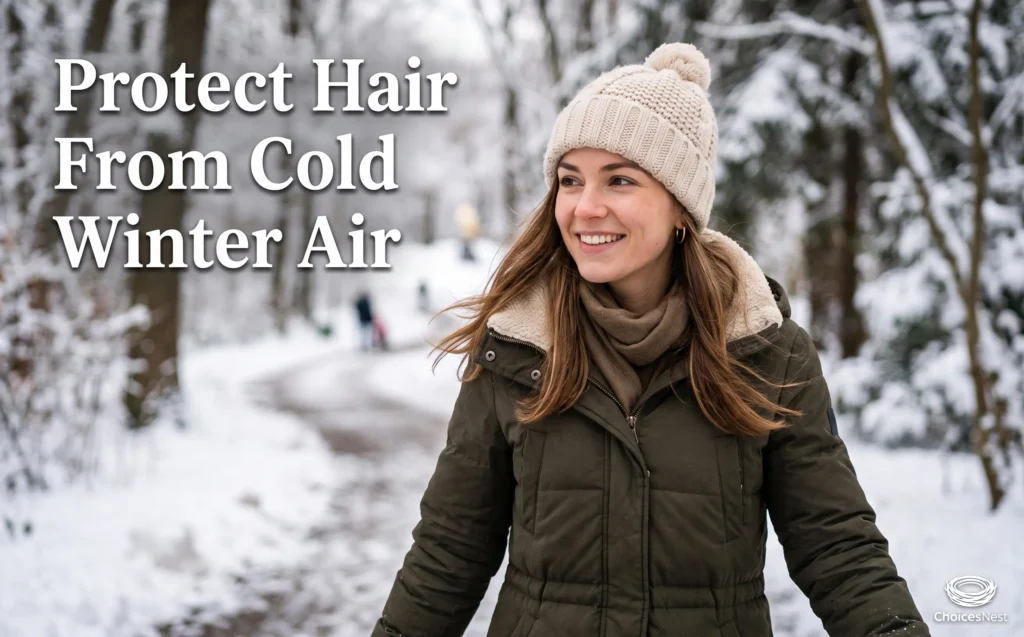
6. Protect Your Hair From Cold and Dry Winter Air
Cold weather can leave hair feeling dry and more difficult to manage, especially when you spend time moving between cold outdoor conditions and warm indoor environments. Covering your hair when you’re outside can provide an extra layer of protection. However, some hats and scarves can also create friction, which may contribute to frizz or tangling.
Simple tip:
Choose a smooth, comfortable hat lining when possible, and avoid repeatedly rubbing or pulling your hair against rough fabrics. You can also loosely tuck longer hair inside a coat or scarf rather than allowing it to constantly rub against rough outerwear.
Good for:
Anyone who spends significant time outdoors during cold or windy weather.
7. Be Gentle When Drying Your Hair
The way you dry your hair can also affect how smooth it looks. Rubbing wet hair aggressively with a regular towel can create friction and may leave some hair types looking more frizzy or tangled. Instead, gently squeeze or blot excess water from your hair.
Simple tip:
Try wrapping or gently pressing your hair with a soft microfiber towel or a smooth cotton T-shirt rather than rubbing it vigorously. If you use a blow dryer afterward, avoid immediately using the highest heat setting. Start with a lower or moderate temperature and keep the dryer moving rather than concentrating heat on one section for too long.
Good for:
Anyone who notices more frizz, tangling, or roughness after washing their hair.
8. Avoid Overusing Dry Shampoo
Dry shampoo can be convenient between washes, especially when you want to avoid washing your hair too frequently. However, relying on it too heavily without properly cleansing your scalp may not be ideal for everyone. During winter, try to use dry shampoo as a between-wash convenience product rather than a complete replacement for regular cleansing.
Simple tip:
Apply only the amount you need and follow the product instructions. When it is time to wash your hair, focus on cleansing the scalp gently.
Good for:
Anyone who uses dry shampoo regularly to extend the time between hair washes.
9. Use a Leave-In Product or Hair Oil Carefully
A lightweight leave-in conditioner, serum, or hair oil may help some people manage dry-looking ends and reduce the appearance of frizz. The key is not necessarily to use a large amount. Applying too much product can leave some hair types looking heavy or greasy.
Simple tip:
Start with a small amount and apply it mainly to the mid-lengths and ends. Add more only if your hair needs it.
Good for:
- Dry-looking ends
- Hair that becomes frizzy after styling
- Longer hair exposed to cold, wind, or dry indoor air
10. Trim and Protect Dry Ends
Split or damaged ends cannot truly be repaired permanently with a styling product. While conditioners, masks, and serums can improve the appearance and feel of the hair, trimming damaged ends when necessary can help keep your hair looking healthier. Between trims, focus on protecting the ends from unnecessary friction, excessive heat, and harsh weather.
Simple tip:
Avoid repeatedly brushing or pulling at tangled ends. Use a wide-tooth comb or a gentle detangling brush, starting near the ends and gradually working upward.
How to protect your hair from sun damage and dust? Winter weather is not the only environmental factor that can leave your hair feeling dry or difficult to manage. During warmer months, sun exposure, heat, and dust can also affect your hair. For year-round protection, explore our guide on how to protect your hair from sun damage and dust.

Frequently Asked Questions
Why does my hair get frizzy in winter?
Cold outdoor air and dry indoor conditions can make moisture levels lower, while hot showers and frequent heat styling may contribute to dryness and make frizz more noticeable.
How often should I use a hair mask in winter?
This depends on your hair type and the specific product. Follow the product instructions and adjust based on how your hair responds.
Is hot water bad for dry hair?
Very hot water may leave hair feeling drier. Using comfortably warm water can be a gentler option, especially if your hair already feels dry.
Can hair oil help with winter frizz?
A small amount of hair oil or serum may help smooth the appearance of dry ends and frizz. Start with a small amount to avoid making your hair look heavy.
Should I wash my hair less often in winter?
Some people find that washing less frequently helps when their hair feels dry, but the ideal routine depends on hair type, scalp condition, and lifestyle.
Final Thoughts
Dry, frizzy winter hair does not always require a complicated routine. Small changes—such as avoiding excessively hot water, using conditioner correctly, reducing unnecessary heat styling, protecting your hair from harsh weather, and adding extra moisture when needed—can make a noticeable difference.
The goal is not to use as many products as possible. Instead, focus on a simple routine that matches your hair type and addresses the areas that feel driest or most difficult to manage.