Dry Skin vs Dehydrated Skin: what’s the Difference?

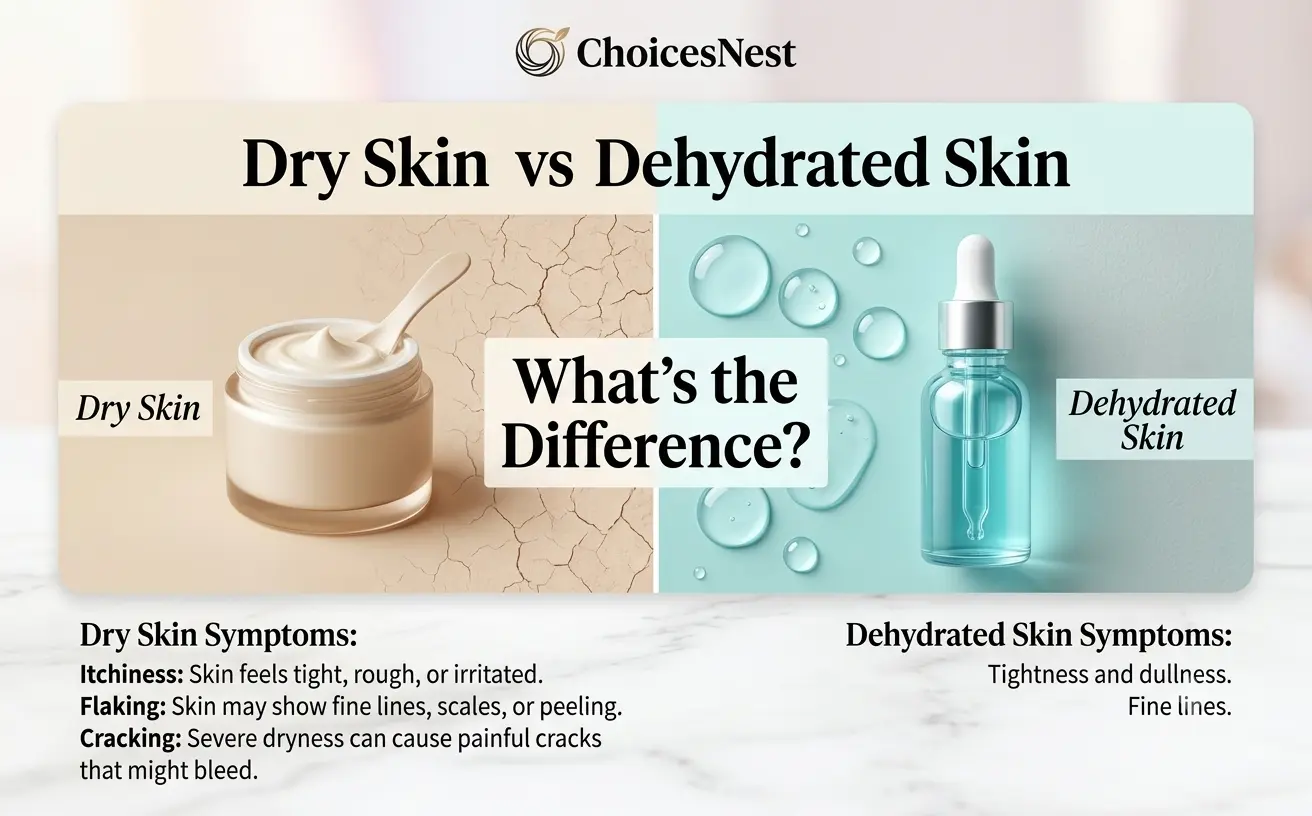
Disclosure: As an Amazon Associate, I earn from qualifying purchases. If you purchase through links on this page, I may earn a small commission at no additional cost to you. Dry Skin vs Dehydrated Skin: Introduction Many people use the terms dry skin and dehydrated skin interchangeably, but they are not the same. Although both conditions can make your skin feel uncomfortable and look dull, they have different causes and require different skincare approaches. Dry skin is a skin type, meaning it naturally produces less oil. Dehydrated skin, on the other hand, is a temporary skin condition caused by a lack of water in the skin. This means even someone with oily skin can experience dehydration. Understanding the difference is important because using the wrong products may not solve the problem. In this guide, we'll compare dry skin and dehydrated skin, explain how to identify each condition, and share simple tips to restore healthier-looking skin. What Is Dry Skin? Dry skin is a skin type that produces less sebum (natural oil) than normal skin. These natural oils help protect the skin barrier, reduce moisture loss, and keep the skin feeling soft and comfortable. People with dry skin often experience: Rough texture Flaking or peeling Tightness throughout the day Itching Increased sensitivity during cold or dry weather Because dry skin lacks oil, it usually benefits from richer creams and moisturizers that help reinforce the skin barrier. Dry skin is often influenced by genetics, although environmental conditions and age can make…


Continue ReadingDry Skin vs Dehydrated Skin: what’s the Difference?

7 Signs Your Skin Is Dehydrated: Learn How to Fix It Naturally

Disclosure: As an Amazon Associate, I earn from qualifying purchases. If you purchase through links on this page, I may earn a small commission at no additional cost to you. 7 Signs Your Skin Is Dehydrated: Introduction Many people assume their skin is dry when it actually suffers from dehydration. Although the two conditions may look similar, they are not the same. Dry skin is a skin type that naturally produces less oil, while dehydrated skin is a temporary condition caused by a lack of water in the skin. Dehydrated skin can affect anyone—including people with oily or combination skin. Common causes include excessive sun exposure, hot weather, harsh skincare products, air conditioning, and not drinking enough water. When your skin lacks adequate hydration, it may appear dull, feel tight, and become more sensitive than usual. Fortunately, dehydrated skin can often be improved with the right daily habits and a consistent skincare routine. In this guide, we'll explore seven common signs that your skin may be dehydrated and share practical tips to help restore moisture naturally. Why Skin Becomes Dehydrated Your skin loses water every day through a natural process called transepidermal water loss (TEWL). During summer, this moisture loss often increases due to higher temperatures, prolonged sun exposure, sweating, and frequent washing. Several everyday habits can also contribute to dehydrated skin, including: Spending long hours in the sun without adequate protection. Using harsh cleansers that strip away the skin's protective barrier. Forgetting to apply moisturizer after cleansing. Drinking…

Continue Reading7 Signs Your Skin Is Dehydrated: Learn How to Fix It Naturally

7 Best Hyaluronic Acid Serums (2026): Top Picks for Hydrated & Glowing Skin

Disclosure: As an Amazon Associate, I earn from qualifying purchases. If you purchase through links on this page, I may earn a small commission at no additional cost to you. Best Hyaluronic Acid Serums (2026): Hyaluronic acid is one of the most popular skincare ingredients for a reason. It helps attract and retain moisture, leaving the skin looking smoother, plumper, and healthier. Whether you have dry, oily, combination, or sensitive skin, the right hyaluronic acid serum can become an essential part of your daily skincare routine. In this guide, we've selected seven highly rated hyaluronic acid serums based on hydration performance, ingredient quality, skin compatibility, texture, and overall value to help you choose the best option for your needs. Best Hyaluronic Acid Serums (2026): How We Selected These Serums We compared each serum using these important factors: Hydration performance Ingredient quality Skin compatibility Lightweight texture Absorption speed Fragrance-free options Overall value Quick Comparison Table SerumBest ForKey IngredientSkin TypeProduct 1OverallHyaluronic AcidAll Skin TypesProduct 2Dry SkinHA + CeramidesDryProduct 3Oily SkinHA + NiacinamideOilyProduct 4Sensitive SkinHA + Aloe VeraSensitiveProduct 5Anti-AgingMulti-Molecular HAMatureProduct 6BudgetPure HAAllProduct 7PremiumHA + PeptidesAll ⭐ Best Overall 1. CeraVe Hydrating Hyaluronic Acid Serum CeraVe Hydrating Hyaluronic Acid Serum is one of the most popular choices for daily hydration. It combines hyaluronic acid, ceramides, and vitamin B5 to help restore the skin barrier while providing long-lasting moisture. Its lightweight, fragrance-free formula is suitable for most skin types, including sensitive skin, making it an excellent all-around option. ✅ Why We Like It Lightweight…

Continue Reading7 Best Hyaluronic Acid Serums (2026): Top Picks for Hydrated & Glowing Skin

CeraVe Foaming Facial Cleanser Review: Is It Worth Buying in 2026?

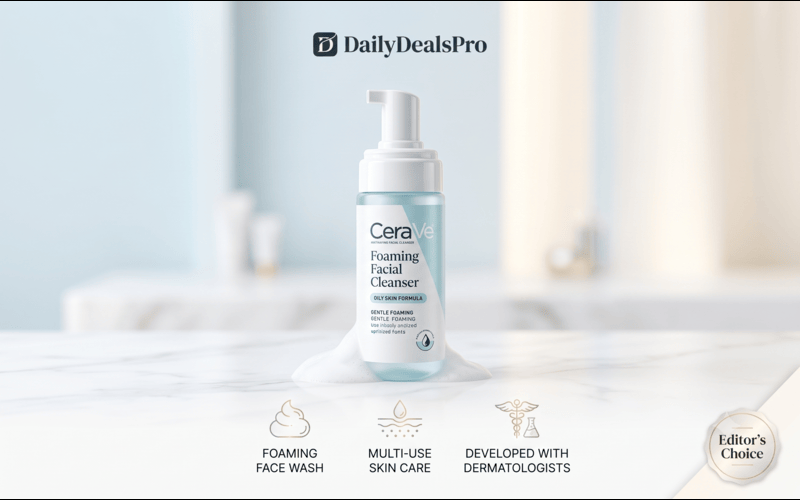
Affiliate Disclosure: As an Amazon Associate, DailyDealsPro earns from qualifying purchases. This comes at no extra cost to you and helps support our work in creating honest product reviews. CeraVe Foaming Facial Cleanser Review: Finding the right facial cleanser for oily skin isn't always easy. Many face washes strip away too much oil, leaving skin feeling tight and dry, while others fail to remove excess sebum, sunscreen, and makeup effectively. If you're looking for a dermatologist-recommended cleanser that balances cleansing with hydration, the CeraVe Foaming Facial Cleanser is one of the most popular choices available today. Designed for normal to oily skin, this fragrance-free daily cleanser contains three essential ceramides, hyaluronic acid, and niacinamide to cleanse the skin while helping maintain its natural protective barrier. It has become a favorite among dermatologists and skincare enthusiasts because it cleans thoroughly without causing excessive dryness. In this review, we'll examine its ingredients, benefits, performance, pros and cons, and help you decide whether it's the right face wash for your skincare routine. CeraVe Foaming Facial Cleanser Review: Product Overview FeatureDetailsBrandCeraVeProductFoaming Facial CleanserSkin TypeNormal to Oily SkinSize16 fl ozFragranceFragrance-FreeKey IngredientsCeramides, Hyaluronic Acid, NiacinamideSuitable ForMen & WomenDaily UseYes Why Is This Cleanser So Popular? Unlike many foaming cleansers that leave skin feeling overly dry, CeraVe focuses on maintaining the skin barrier while effectively removing dirt, excess oil, sunscreen, and light makeup. Developed with dermatologists, its formula is gentle enough for everyday use while still providing the deep cleansing that oily skin requires. Many users…

Continue ReadingCeraVe Foaming Facial Cleanser Review: Is It Worth Buying in 2026?