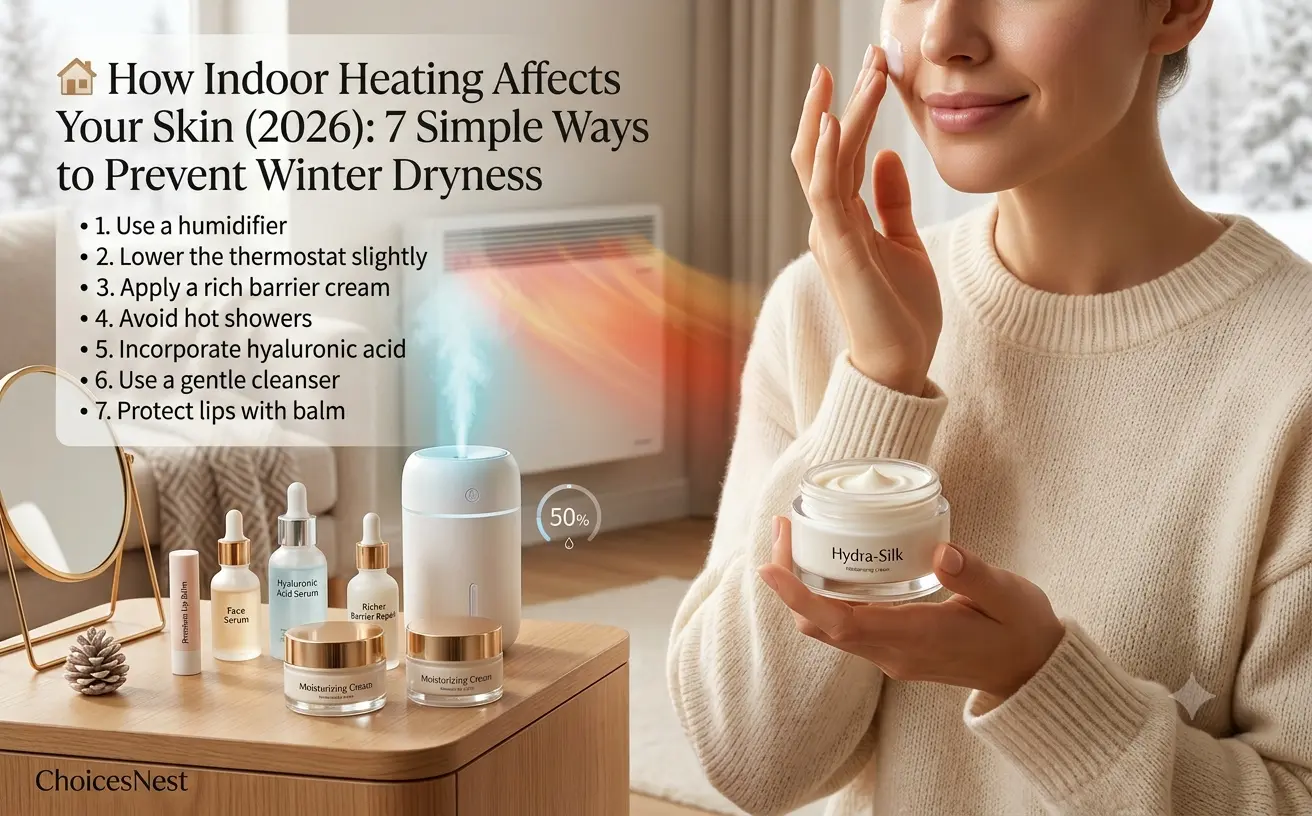
🏠 How Indoor Heating Affects Your Skin (2026): 7 Best Ways to Prevent Winter Dryness

Amazon Associate Disclosure: As an Amazon Associate, I earn from qualifying purchases. If you purchase a product through links on this page, I may earn a small commission at no additional cost to you. Indoor Heating Affects Your Skin: Introduction When temperatures drop, turning on the heater can make your home much more comfortable. But spending hours in heated indoor environments may also leave your skin feeling dry, tight, rough, or uncomfortable. Indoor heating can reduce the relative humidity of the air, while winter weather outside may already be cold and dry. Together, these conditions can increase moisture loss from the skin. You may notice: Tightness after cleansing Dry or flaky patches Rough cheeks Chapped lips Dry hands Increased skin sensitivity The good news is that you don't need a complicated routine to deal with winter indoor dryness. Here are 7 simple ways to protect your skin while keeping your home warm. 🏠 How Does Indoor Heating Affect Your Skin? Heating systems warm the air inside your home, but heated air can have relatively low humidity. When the surrounding air is dry, water can evaporate more readily from the skin's surface. This can contribute to transepidermal water loss (TEWL) and make already-dry skin feel even less comfortable. Winter heating isn't necessarily "damaging" your skin by itself. The bigger issue is the combination of: Cold outdoor air + dry indoor air + hot showers + frequent cleansing = more potential dryness. πŸ“Š Winter Conditions That Can Dry Your Skin FactorWhat…

Continue Reading🏠 How Indoor Heating Affects Your Skin (2026): 7 Best Ways to Prevent Winter Dryness

❄️ Winter Skincare Routine for Beginners (2026): 10 Simple Steps for Healthy, Hydrated Skin

Amazon Associate Disclosure: As an Amazon Associate, I earn from qualifying purchases. If you purchase a product through links on this page, I may earn a small commission at no additional cost to you. Winter Skincare Routine for Beginners: Introduction Winter can be beautiful, but colder temperatures can be challenging for your skin. As the weather becomes colder, outdoor air often becomes drier, while indoor heating can further reduce humidity. Wind, hot showers, frequent cleansing, and changes in your skincare routine can also contribute to dryness and discomfort. You may notice your skin feeling: Tight after cleansing Rough or flaky More sensitive than usual Drier around the cheeks Uncomfortable after spending time outdoors More prone to chapped lips The good news is that you don't need a complicated 12-step routine to care for your skin during winter. A simple routine built around gentle cleansing, hydration, moisturization, barrier support, and daily sun protection can be enough for many people. In this guide, we'll walk through a 10-step winter skincare routine for beginners, explain what each step does, discuss ingredients worth looking for, and show you how to adjust your routine based on your skin type. ❄️ Why Does Your Skin Need More Care in Winter? Your skin has a natural protective barrier that helps keep moisture inside and protects against environmental stressors. Cold, dry conditions can make maintaining that barrier more difficult. Transition from summer to winter skincare 🌬️ Cold Outdoor Air Cold air generally contains less moisture than warm…

Continue Reading❄️ Winter Skincare Routine for Beginners (2026): 10 Simple Steps for Healthy, Hydrated Skin

🧀 7 Best Hand Creams for Dry Hands (2026): Top Picks for Soft, Hydrated Hands

Amazon Associate Disclosure: As an Amazon Associate, I earn from qualifying purchases. If you purchase a product through links on this page, I may earn a small commission at no additional cost to you. Best Hand Creams for Dry Hands: Introduction Dry hands are one of the most common skincare problems when temperatures begin to fall. Cooler air, lower humidity, frequent hand washing, indoor heating, and exposure to wind can gradually remove moisture from the skin. Why skin gets drier when the weather changes You may notice your hands feeling tight after washing, rough around the knuckles, flaky between the fingers, or uncomfortable when you move them. For some people, the problem becomes especially noticeable during fall and winter. The good news is that a consistent hand-care routine can help. A good hand cream doesn't simply make your hands feel softer for a few minutes. The right formula can help replenish moisture, reduce moisture loss, and support the skin's protective barrier. In this guide, we'll look at 7 of the best hand-cream categories and product types for dry hands in 2026, what ingredients to look for, how to choose a formula for your needs, and how to build a simple routine that keeps your hands comfortable through the colder months. Editor's Note: Product availability, prices, formulas, and ratings can change. Always check the current Amazon product page before purchasing. 🧀 Why Do Your Hands Get So Dry? Your hands experience a lot of daily stress. 7 Signs of dehydrated…

Continue Reading🧀 7 Best Hand Creams for Dry Hands (2026): Top Picks for Soft, Hydrated Hands

πŸ‚ Why Your Skin Gets Drier When the Weather Changes (2026): 10 Causes & Simple Solutions

Disclosure: As an Amazon Associate, I earn from qualifying purchases. If you purchase through links on this page, I may earn a small commission at no additional cost to you. Why Your Skin Gets Drier When the Weather Changes: Introduction Have you ever noticed that your skin suddenly feels tight, flaky, or rough when summer ends? You're not alone. Many people experience dry skin as temperatures begin to fall, but few understand why it happens. The transition from warm, humid weather to cooler, drier air affects your skin's natural moisture balance. Lower humidity, indoor heating, stronger winds, and changes in your daily routine can all weaken your skin's protective barrier. As a result, moisture escapes more easily, leaving your skin feeling dry and uncomfortable. The good news is that seasonal dry skin is often preventable. By understanding what causes these changes and making a few simple adjustments to your skincare routine, you can keep your skin soft, healthy, and hydrated throughout fall and winter. In this guide, we'll explain the 10 most common reasons your skin gets drier when the weather changes, along with practical solutions, dermatologist-inspired advice, and beginner-friendly product recommendations. 🍁 Why Weather Changes Affect Your Skin Your skin is protected by a natural barrier made of oils, lipids, and skin cells. This barrier helps keep moisture inside while protecting against environmental irritants. As the seasons change, several environmental factors begin working against this natural barrier. 🌬️ Lower Humidity During autumn and winter, the air contains much…

Continue ReadingπŸ‚ Why Your Skin Gets Drier When the Weather Changes (2026): 10 Causes & Simple Solutions

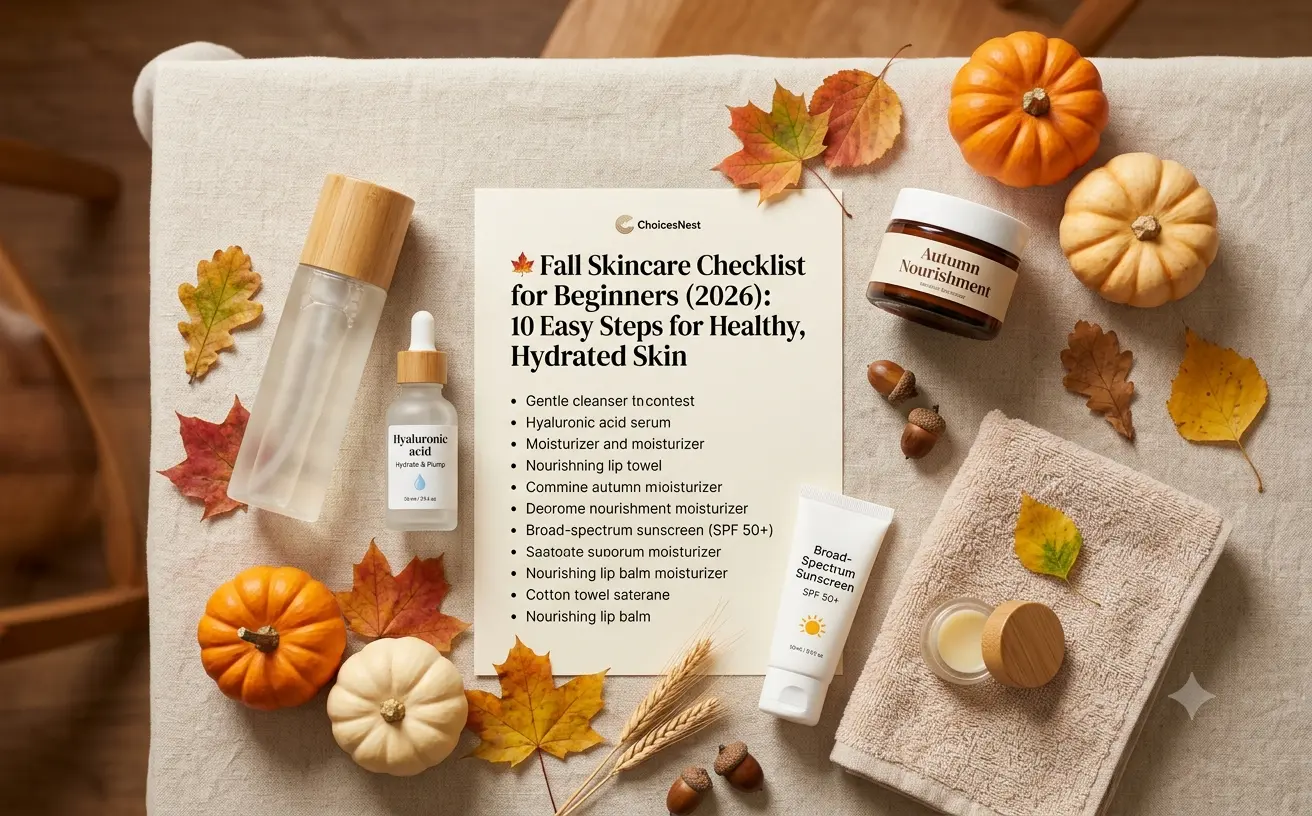
🍁 Fall Skincare Checklist for Beginners (2026): 10 Easy Steps for Healthy, Hydrated Skin

Disclosure: As an Amazon Associate, I earn from qualifying purchases. If you purchase through links on this page, I may earn a small commission at no additional cost to you. Fall Skincare Checklist for Beginners: Introduction As summer fades and cooler weather arrives, your skin begins to experience noticeable changes. Lower humidity, cooler temperatures, and indoor heating can reduce your skin's natural moisture levels, making it feel dry, tight, or sensitive. The good news is that you don't need an entirely new skincare routine. A few simple adjustments can help your skin stay healthy, hydrated, and comfortable throughout the fall season while preparing it for winter. This beginner-friendly Fall Skincare Checklist walks you through 10 easy steps that anyone can follow. Whether you're new to skincare or simply looking to improve your routine, these practical tips will help protect your skin barrier and maintain a healthy glow all season long. πŸ‚ Why Your Skin Needs Extra Care in Fall During the summer, higher humidity and warmer temperatures help your skin retain moisture more easily. As autumn arrives, environmental conditions begin to change, affecting your skin's hydration and protective barrier. 🌬️ Lower Humidity Autumn air contains less moisture, causing water to evaporate from your skin more quickly. 🌑️ Cooler Temperatures Your skin naturally produces less oil as temperatures drop, making it easier for dryness and irritation to develop. 🏠 Indoor Heating Heating systems create dry indoor air that can further reduce your skin's moisture levels. 🍁 Seasonal Weather Changes Moving…

Continue Reading🍁 Fall Skincare Checklist for Beginners (2026): 10 Easy Steps for Healthy, Hydrated Skin

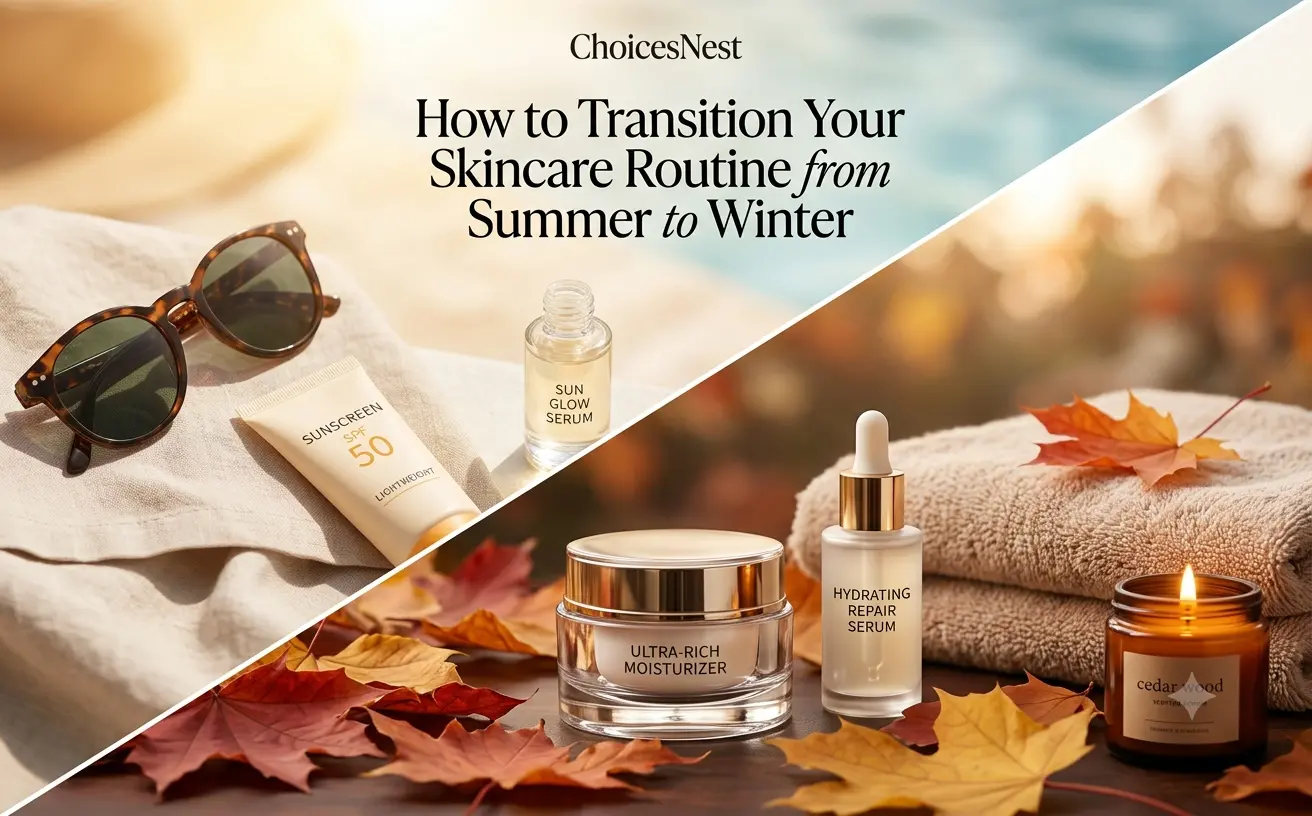
How to Transition Your Skincare Routine from Summer to Winter (2026): 10 Expert Tips for Healthy Skin

Disclosure: As an Amazon Associate, I earn from qualifying purchases. If you purchase through links on this page, I may earn a small commission at no additional cost to you. Transition Your Skincare Routine from Summer to Winter: Introduction As the seasons change, your skincare routine should change too. The lightweight products that kept your skin comfortable during hot summer months may no longer provide enough hydration when cooler temperatures and lower humidity arrive. Many people notice their skin becoming tighter, drier, or more sensitive during autumn without realizing that their skincare routine is still designed for summer weather. A few simple adjustments can help protect your skin barrier, maintain hydration, and keep your complexion healthy throughout the colder months. In this guide, you'll learn 10 dermatologist-inspired tips to transition your skincare routine from summer to winter. We'll also recommend essential skincare products, explain which ingredients to look for, and help you build a routine that keeps your skin soft, hydrated, and glowing all season long. 🍁 Why Your Skin Changes Between Seasons If you've ever noticed that your skin suddenly feels dry when autumn arrives, you're not imagining it. Seasonal changes affect your skin in several ways. 🌬️ Lower Humidity Cooler air contains less moisture than warm summer air. This causes water to evaporate from your skin more quickly, making it feel dry and tight. ❄️ Cooler Temperatures Cold weather slows your skin's natural oil production. Without enough natural oils, your skin barrier becomes less effective at retaining…

Continue ReadingHow to Transition Your Skincare Routine from Summer to Winter (2026): 10 Expert Tips for Healthy Skin

🦢 7 Best Foot Creams for Dry & Cracked Heels (2026): Top Picks for Soft, Healthy Feet

Disclosure: As an Amazon Associate, I earn from qualifying purchases. If you purchase through links on this page, I may earn a small commission at no additional cost to you. Best Foot Creams for Dry & Cracked Heels: Introduction Dry, rough, and cracked heels are a common problem, especially during the summer months. Walking barefoot, wearing open sandals, spending time outdoors, and prolonged exposure to heat can cause your feet to lose moisture, leaving the skin feeling dry and uncomfortable. Ignoring dry heels can lead to deeper cracks that may become painful over time. Fortunately, using a quality foot cream as part of your daily routine can help restore moisture, soften rough skin, and keep your feet looking and feeling healthier. In this guide, we've selected the 7 best foot creams for dry and cracked heels in 2026 based on moisturizing ingredients, effectiveness, customer reviews, value for money, and suitability for different skin types. Whether you need an intensive overnight treatment or a lightweight daily moisturizer, you'll find an option that fits your needs. Why Heels Become Dry & Cracked Unlike many other parts of the body, the skin on your heels has very few oil glands. This means your feet naturally produce less moisture, making them more likely to become dry. Several everyday habits and environmental factors can make the problem worse. β˜€οΈ Hot Weather High temperatures can cause moisture to evaporate from the skin more quickly, leaving your heels dry and rough. πŸ‘‘ Open Sandals & Barefoot…

Continue Reading🦢 7 Best Foot Creams for Dry & Cracked Heels (2026): Top Picks for Soft, Healthy Feet

πŸ•ΆοΈ 7 Best Sunglasses for UV Protection (2026): Top Picks for Eye Safety & Style

Disclosure: As an Amazon Associate, I earn from qualifying purchases. If you purchase through links on this page, I may earn a small commission at no extra cost to you. Best Sunglasses for UV Protection: Introduction A great pair of sunglasses does more than complete your summer outfitβ€”it helps protect your eyes from harmful ultraviolet (UV) rays. Whether you're driving, relaxing at the beach, hiking, or simply walking outdoors, prolonged sun exposure can contribute to eye discomfort and increase the risk of long-term eye problems. The challenge is that not all sunglasses provide the same level of protection. Dark lenses alone don't guarantee UV protection, and choosing the wrong pair may leave your eyes vulnerable even if they look stylish. In this guide, we've selected seven of the best sunglasses for UV protection in 2026 based on lens quality, comfort, durability, style, customer feedback, and overall value. Whether you're looking for an affordable everyday pair or premium polarized sunglasses for outdoor adventures, you'll find an option that fits your needs. 🌟 Best Sunglasses for UV Protection: Final Takeaway A stylish pair of sunglasses is more than a fashion accessoryβ€”it's an important part of protecting your long-term eye health. Choosing sunglasses with UV400 protection helps shield your eyes from harmful UVA and UVB rays, while polarized lenses can improve comfort by reducing glare during driving, beach trips, and outdoor activities. When selecting your next pair, focus on certified UV protection, a comfortable fit, durable construction, and lenses that match your…

Continue ReadingπŸ•ΆοΈ 7 Best Sunglasses for UV Protection (2026): Top Picks for Eye Safety & Style

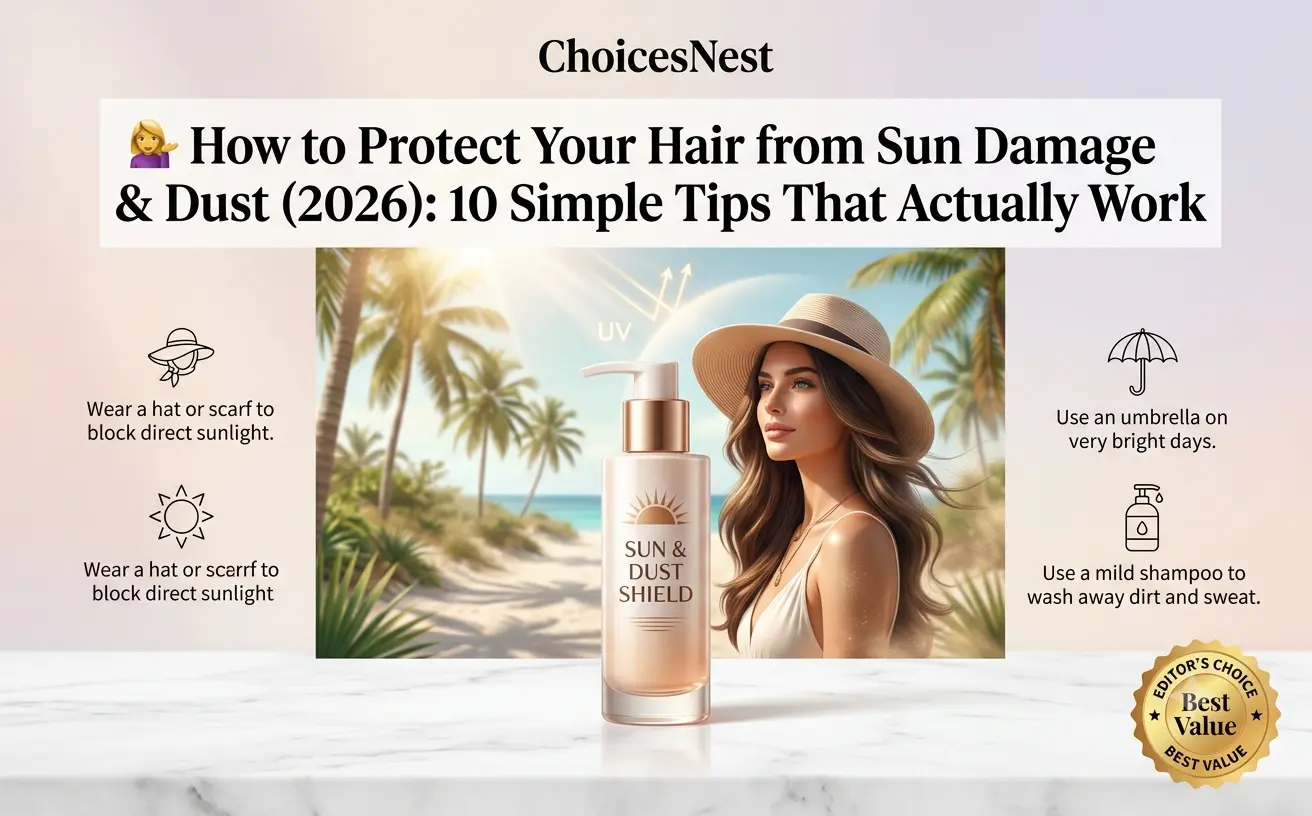
πŸ’‡ How to Protect Your Hair from Sun Damage & Dust (2026): 10 Simple Tips That Actually Work

Disclosure: As an Amazon Associate, I earn from qualifying purchases. If you purchase through links on this page, I may earn a small commission at no additional cost to you. How to Protect Hair from Sun Damage: Introduction Summer is a great time to enjoy the outdoors, but prolonged exposure to sunlight, heat, and dust can take a serious toll on your hair. Many people focus on protecting their skin from UV rays while forgetting that their hair and scalp also need protection. Strong sunlight can weaken the hair cuticle, causing dryness, frizz, split ends, and faded hair color. Dust and pollution can build up on the scalp, leaving hair looking dull and making it harder to manage. The good news is that you don't need an expensive salon routine to keep your hair healthy. A few simple daily habits and the right hair care products can go a long way in protecting your hair throughout the summer. In this guide, you'll learn 10 practical, easy-to-follow tips that can help minimize sun damage, reduce dust buildup, and keep your hair looking healthier all season long. Why Sun & Dust Damage Your Hair Hair is constantly exposed to environmental factors, especially during summer. Here are the biggest causes of hair damage: β˜€οΈ UV Rays Ultraviolet (UV) rays can weaken the outer protective layer of your hair (the cuticle), making strands rough, dry, and more prone to breakage. 🌑️ Heat High temperatures remove natural moisture from your hair, increasing frizz and…

Continue ReadingπŸ’‡ How to Protect Your Hair from Sun Damage & Dust (2026): 10 Simple Tips That Actually Work

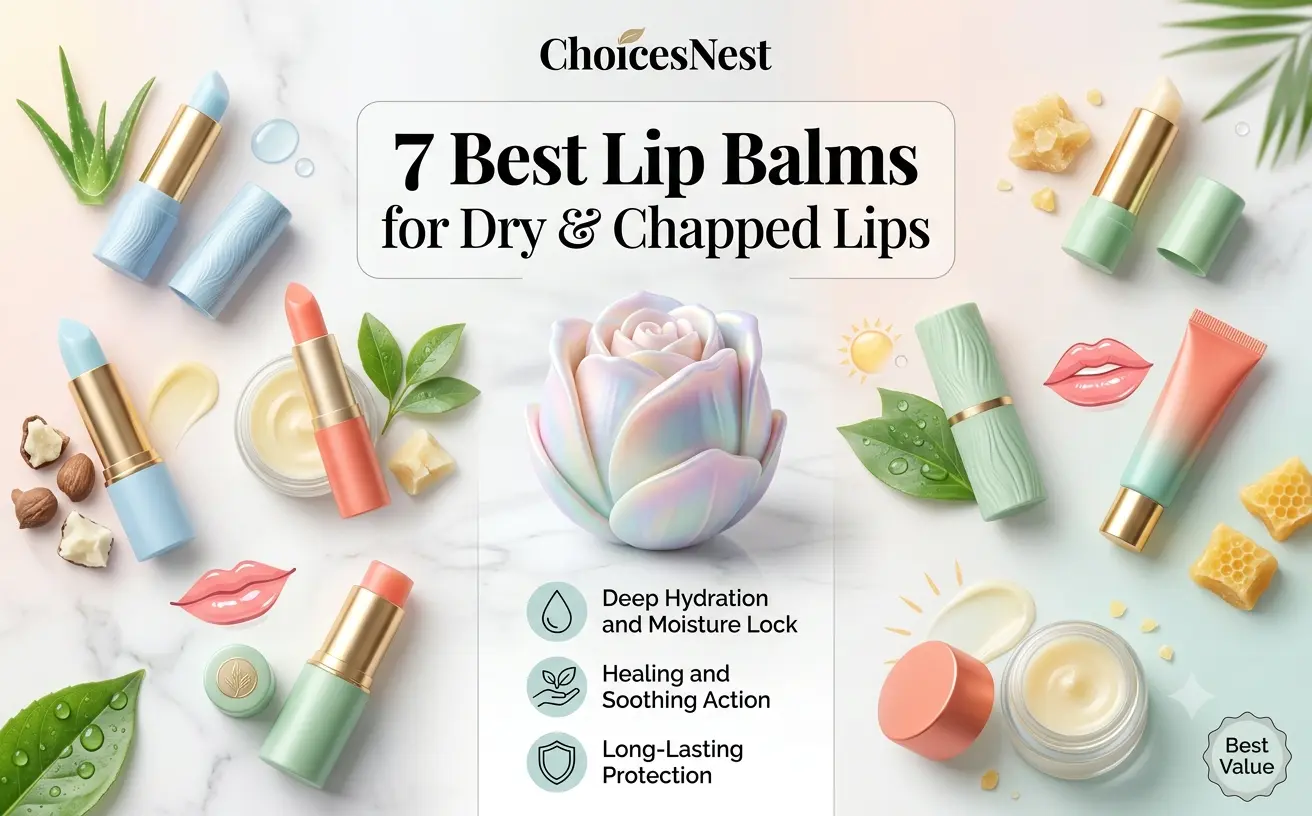
πŸ‘„ 7 Best Lip Balms for Dry & Chapped Lips (2026): Top Picks for Soft, Healthy Lips

Disclosure: As an Amazon Associate, I earn from qualifying purchases. If you purchase through links on this page, I may earn a small commission at no extra cost to you. Best Lip Balms for Dry & Chapped Lips: Introduction Dry, cracked lips are one of the most common skincare concerns during summer. While many people associate chapped lips with cold winter weather, hot temperatures, strong sunlight, dehydration, wind, and air conditioning can also leave your lips feeling dry, uncomfortable, and irritated. Unlike the rest of your skin, your lips have a thinner protective barrier and produce very little natural oil. That means they lose moisture more easily and need regular care to stay soft and healthy. A good lip balm does more than temporarily soothe dryness. The right formula helps lock in moisture, protect against environmental damage, and keep your lips comfortable throughout the day. Some products even include SPF to help shield your lips from harmful UV rays. In this guide, we've selected seven highly rated lip balms that offer excellent hydration, comfort, and everyday protection. Whether you're looking for a budget-friendly option, an SPF lip balm for outdoor activities, or an intensive overnight treatment, you'll find a recommendation that fits your needs. Why Lips Become Dry & Chapped Several everyday habits and environmental factors can contribute to dry lips during summer. Some of the most common causes include: Sun exposure, which can dry and damage the delicate skin on your lips. Dehydration, especially during hot weather. Wind…

Continue ReadingπŸ‘„ 7 Best Lip Balms for Dry & Chapped Lips (2026): Top Picks for Soft, Healthy Lips