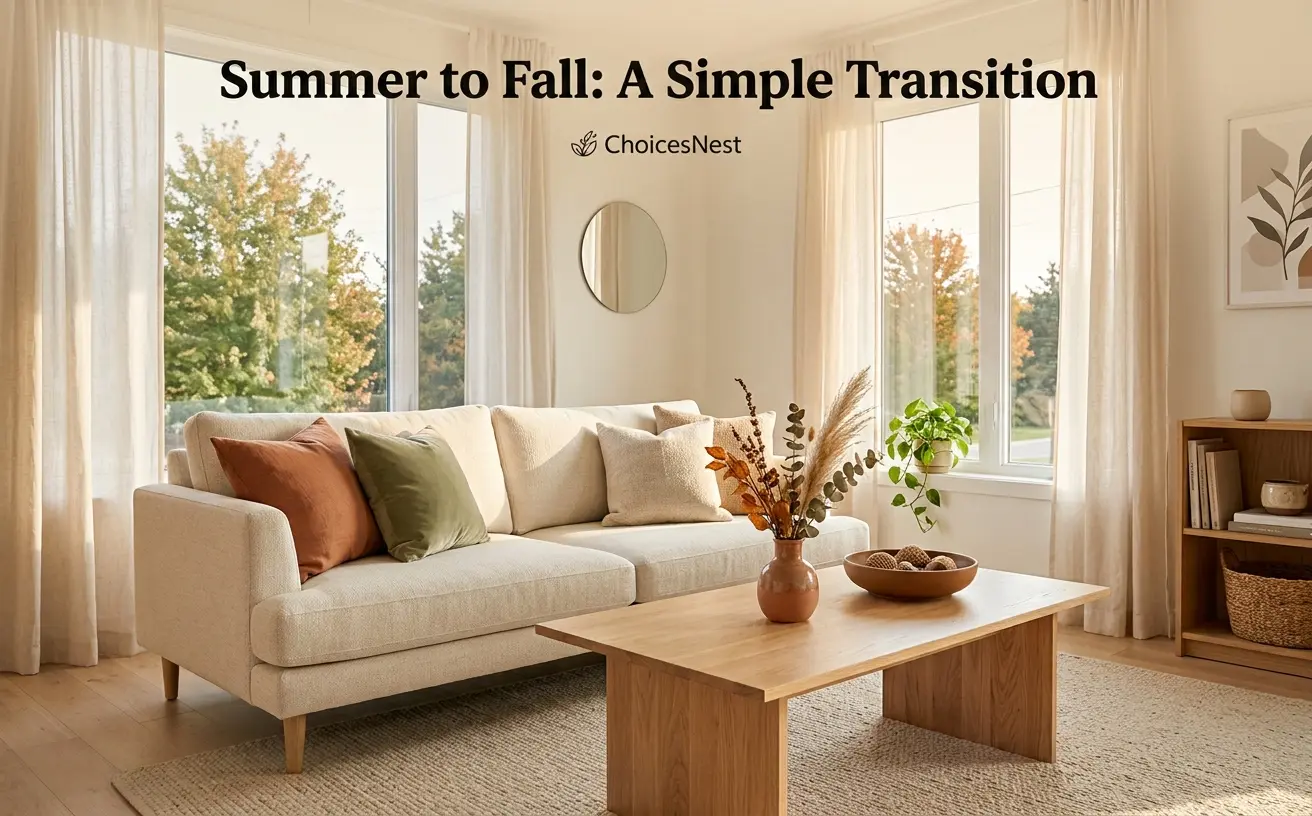
🍂 Summer to Fall Home Decor: Introduction
You don’t need to completely redecorate your home when summer starts fading. In fact, a gradual transition can look more natural, save money, and keep your home feeling comfortable throughout the changing season. Instead of removing everything that feels summery, start by introducing warmer colors, richer textures, natural materials, and softer lighting. That approach also fits the current 2026 design direction toward warmer, more tactile and lived-in interiors. Designers are increasingly emphasizing natural materials, layered textures, and spaces that feel personal rather than overly styled.
Here are 10 easy ways to transition your home from summer to fall without starting from scratch.
Amazon Associate Disclosure: As an Amazon Associate, I earn from qualifying purchases. If you purchase a product through links on this page, I may earn a small commission at no additional cost to you.
🎨 1. Gradually Introduce Warmer Colors
One of the easiest ways to make your home feel more autumn-ready is to introduce warmer colors. You don’t have to repaint your walls or replace your furniture. Instead, add small accents in shades such as:
- Rust
- Terracotta
- Olive green
- Warm brown
- Caramel
- Muted gold
- Deep burgundy
Keep your existing cream, beige, white, or natural wood pieces as the foundation. Then add one or two warmer accents.
📊 Summer vs. Fall Color Approach
| Summer | Transition to Fall |
|---|---|
| White | Cream |
| Light blue | Muted olive |
| Pale beige | Caramel |
| Soft green | Deeper green |
| Light pink | Dusty rust |
| Natural wood | Warm walnut |
Warm earthy palettes are a notable part of 2026 autumn design coverage, with browns, creams, muted greens, terracotta, and deeper autumn tones appearing repeatedly.
💡 Budget Tip
You don’t need ten new decorations. Try changing two pillow covers and one decorative vase before buying anything bigger.
🧺 2. Swap Lightweight Textiles for Richer Textures
Summer decor often relies on lightweight fabrics that help rooms feel cool and airy. As fall approaches, introduce slightly heavier textures. You can update a room quickly with:
- Knitted throws
- Textured pillow covers
- Cotton blankets
- Linen-to-woven fabric swaps
- Soft rugs
- Velvet accent pillows
You don’t need to replace every textile. Keep some lighter pieces and layer in one or two richer textures. This creates the layered comfort look currently gaining attention in interior design. The trend focuses on mixing textures and materials to create warmth without making a room feel overloaded.
💡 Easy Formula
Light base + textured layer + warm accent
For example:
Beige sofa + chunky cream throw + rust pillow
This gives you a cozy fall feeling without making the room look overly seasonal.

🌿 3. Bring in More Natural Elements
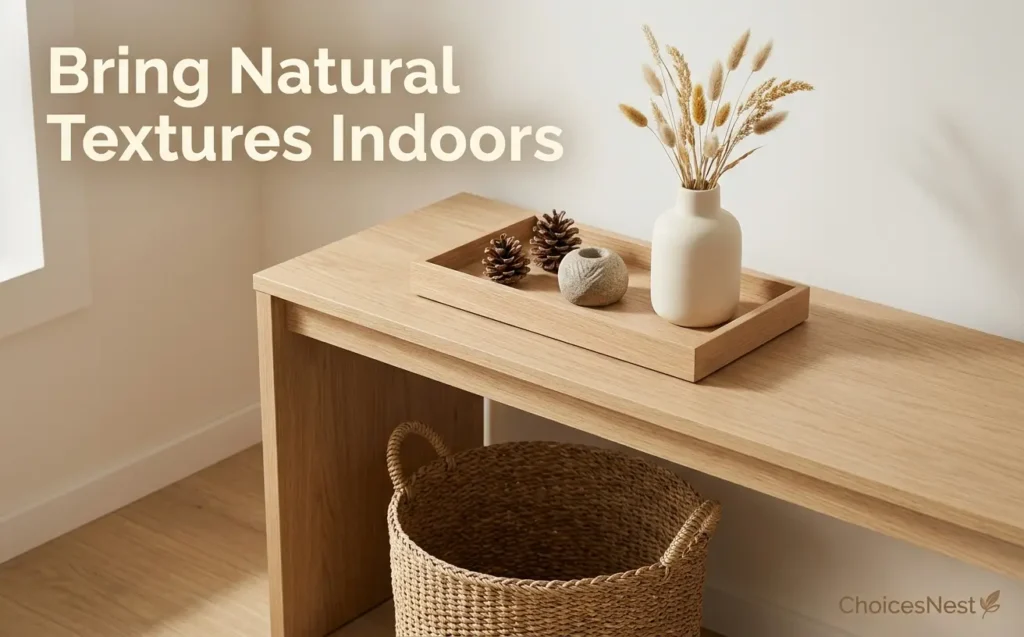
Fall is a natural time to bring outdoor-inspired textures indoors. Instead of relying only on traditional seasonal decorations, use materials that can remain attractive throughout the entire season.
Try:
- Dried branches
- Pinecones
- Woven baskets
- Wooden trays
- Natural stone
- Terracotta
- Dried grasses
Natural materials are particularly relevant to the current design direction. Recent 2026 design coverage highlights wood, stone, natural textures, and stronger indoor-outdoor connections as important elements in today’s interiors.
How to Decorate With Indoor Plants? Indoor plants can also help maintain a fresh connection with nature as you transition your home between seasons. See our How to Decorate With Indoor Plants guide for easy styling ideas.
🌿 Keep It Subtle
You don’t need a giant arrangement. One ceramic vase containing a few dried branches can be enough to change the character of a console or dining table.
🕯️ 4. Refresh Your Lighting
As the days gradually become shorter, lighting becomes an increasingly important part of creating a cozy home. You can make a room feel warmer without changing the main ceiling fixture. Try adding:
- Table lamps
- Floor lamps
- Warm LED bulbs
- Small decorative lamps
- Battery-operated candles
- Soft accent lighting
Rather than making the room dramatically darker, aim for layers of warm light. Current late-summer homeware trends are already emphasizing ambient lighting and calmer, more restful interiors as people prepare for the cozier months ahead.
💡 Simple Lighting Strategy
Use three levels where possible:
Ceiling light → table/floor lamp → small accent light
This creates more depth than relying on one bright overhead fixture.

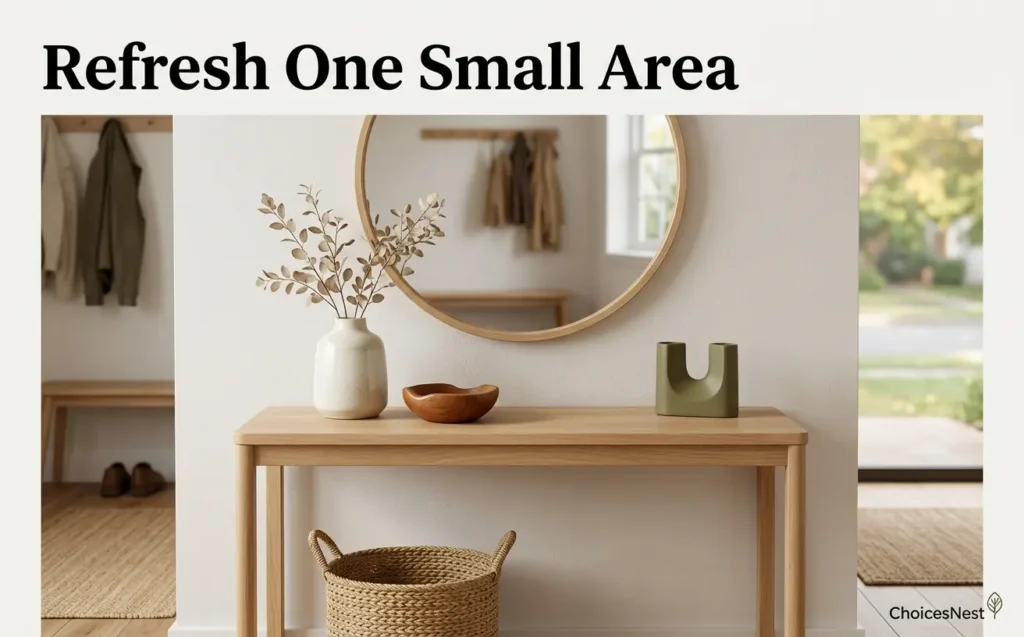
🍂 5. Refresh One Small Focal Area
You don’t need to change every room at once. Choose one area that naturally attracts attention. Good options include:
- Coffee table
- Entryway console
- Dining table
- Bookshelf
- Fireplace mantel
- Bedroom nightstand
Replace a few summer accessories with warmer pieces. For example:
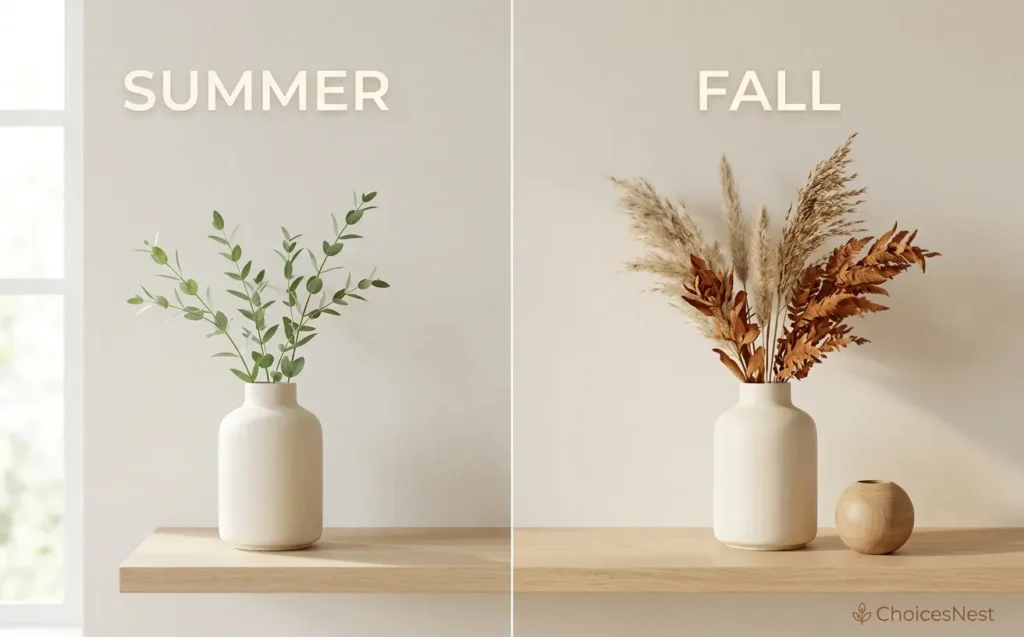
Summer: light ceramic vase + pale flowers + blue accent
Fall transition: warm ceramic vase + dried foliage + wooden object
The furniture stays exactly the same. Only the accessories change. This approach keeps seasonal decorating affordable and makes future transitions much easier.
🛋️ 6. Change Your Pillows Before Your Furniture
One of the easiest ways to make a room feel more autumn-ready is to change a few pillow covers. You don’t need a new sofa or chair. Simply replace bright summer patterns with warmer, richer colors such as:
- Rust
- Olive
- Caramel
- Chocolate brown
- Cream
- Muted burgundy
💡 Try This Combination
Instead of using several matching pillows, combine different textures:
Cream + rust + olive + one textured neutral
This creates a cozy layered appearance without making the room look overly decorated.
💰 Why Pillow Covers Are Useful
Pillow covers are particularly practical for seasonal decorating because they’re easy to store and reuse next year. You can keep your basic neutral inserts throughout the year and simply change the covers when the season changes.

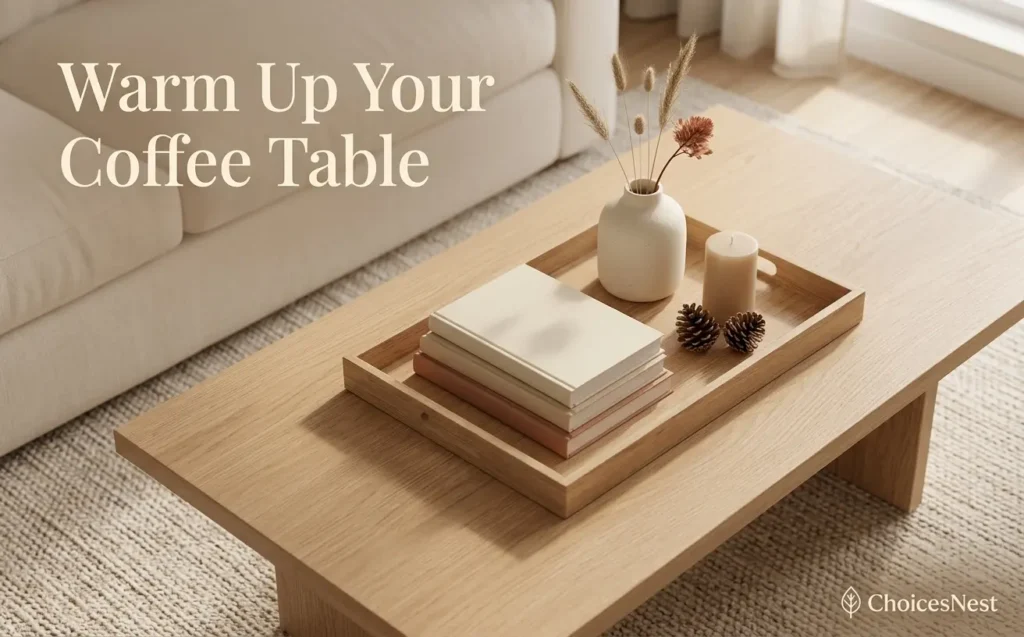
☕ 7. Give Your Coffee Table a Warmer Look
Your coffee table is another small area where a few changes can create a noticeable seasonal effect. Instead of completely replacing the arrangement, swap a few decorative objects. Try combining:
- A wooden tray
- One ceramic vase
- A small stack of books
- A neutral candle
- A natural decorative object
The key is to keep the arrangement simple and functional.
📊 Easy Coffee Table Formula
| Element | Example |
|---|---|
| Base | Wooden or woven tray |
| Height | Small vase |
| Texture | Ceramic or woven object |
| Warmth | Neutral candle |
| Interest | 1–2 books |
Don’t fill every inch of the table. Leaving some empty space keeps the arrangement modern and uncluttered.
🍽️ 8. Transition Your Dining Area With Simple Details
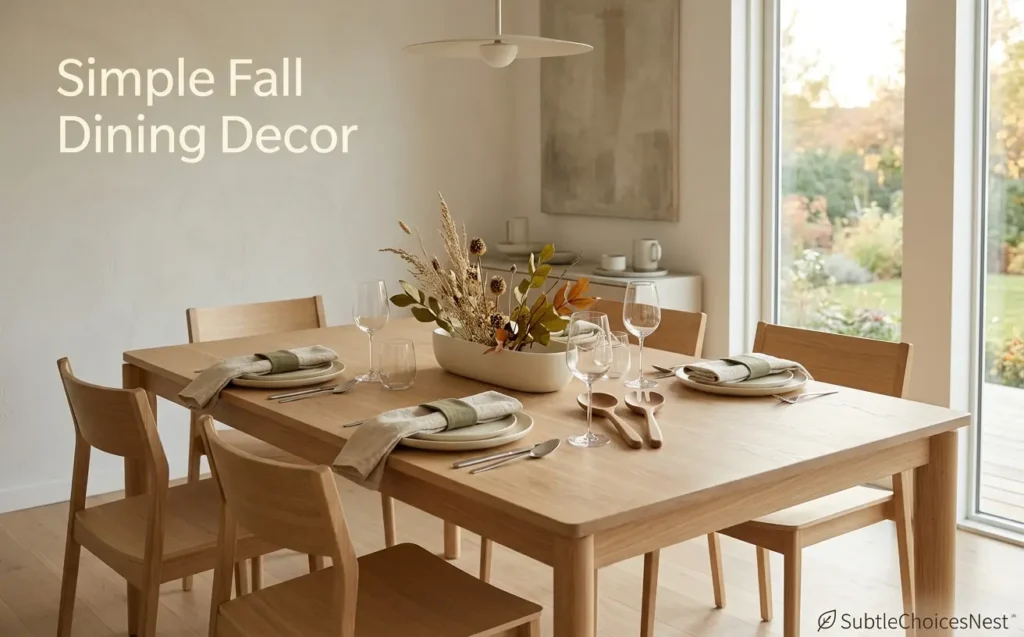
Your dining area doesn’t need a complete seasonal makeover either. A few small changes can make everyday meals feel more appropriate for fall. Consider adding:
- A textured table runner
- Neutral or earthy napkins
- Wooden serving pieces
- Small ceramic dishes
- A simple centerpiece
- Warm-toned glassware
🌿 Keep the Centerpiece Low
A dining table should remain functional. Instead of using a tall centerpiece that blocks conversation, try a low arrangement. For example:
Low ceramic bowl + dried foliage + small wooden accents
This gives the table seasonal character while keeping the space practical.
💡 Don’t Buy a Complete Table Setting
You can mix existing white or neutral plates with a few new seasonal accessories. This is usually more affordable and gives you greater flexibility throughout the year.
🍂 A Simple Rule for Seasonal Decorating
When transitioning from summer to fall, think about layers rather than replacements. You don’t have to remove everything you already own.
Instead:
Keep the foundation → replace a few accents → add warmer textures → introduce natural elements.
This approach saves money and creates a smoother visual transition.
📊 Replace vs. Keep
| Keep | Consider Changing |
|---|---|
| Neutral furniture | Bright pillow covers |
| Natural wood pieces | Lightweight throws |
| Cream rugs | Summer-colored accessories |
| Basic dinnerware | Seasonal napkins |
| Neutral artwork | Small accent pieces |
| Everyday baskets | Seasonal decorative objects |
This also makes your home easier to transition again when winter or spring arrives.
💰 How to Transition Your Home on a Budget
You don’t need to purchase an entirely new collection of fall decorations. Start with the items that have the largest visual impact for the lowest cost.
Best budget priorities:
1. Pillow covers
Easy to store and reuse.
2. Throws
A textured throw can immediately make a sofa or chair feel warmer.
3. Small decorative objects
Vases, bowls, baskets, and trays can be reused in different rooms.
4. Lighting
A warm table lamp can change the atmosphere without changing the furniture.
5. Natural elements
Dried branches, pinecones, and wooden pieces can often be incorporated inexpensively.
We should link only relevant products that genuinely help with the decorating idea, rather than adding affiliate links to every item mentioned.
🕯️ 9. Create One Cozy Fall Corner
Instead of decorating the entire house at once, create one dedicated cozy corner.
This could be:
- A reading chair
- Bedroom corner
- Entryway
- Fireplace area
- Small side table
- Window seat
Combine a few simple elements such as a throw, lamp, basket, and one seasonal accessory.
💡 Simple Formula
Chair + warm lighting + textured throw + small natural accent
The result can feel seasonal without making the entire room look themed. This is particularly useful for smaller homes where too many decorations can quickly make the space feel crowded.
♻️ 10. Reuse Your Summer Decor in New Ways
One of the easiest ways to save money is to reuse what you already have. Many summer pieces can work beautifully during fall when combined with warmer accents.
For example:
| Summer Item | Fall Transition |
|---|---|
| White ceramic vase | Add dried autumn branches |
| Woven basket | Use for blankets |
| Neutral cushions | Pair with rust covers |
| Wooden tray | Add candles + natural accents |
| Glass vase | Fill with dried grasses |
| Beige rug | Layer with warmer textiles |
| Natural wood decor | Combine with deeper colors |
This is often better than buying an entirely new collection every season.
💰 The “Swap, Don’t Replace” Rule
Before purchasing something new, look around your home and ask:
“Can I make something I already own feel more seasonal?”
A simple change of contents, placement, or surrounding accessories can give an old piece an entirely different look.
📊 Summer vs. Fall Decor: Quick Comparison
| Feature | Summer Style | Fall Transition |
|---|---|---|
| Colors | White, pale blue, light green | Rust, olive, caramel |
| Textiles | Lightweight | Chunkier & textured |
| Materials | Linen, glass | Wood, ceramic, woven |
| Lighting | Bright & airy | Warmer & layered |
| Accessories | Minimal | Natural seasonal accents |
| Centerpieces | Fresh greenery | Dried foliage |
| Mood | Fresh & airy | Warm & cozy |
| Shopping approach | Light accessories | Reuse + selective additions |
The important point is that fall decorating doesn’t require a complete visual transformation. Small changes can create a surprisingly large difference.
🍂 Quick Summer-to-Fall Home Decor Checklist
Before buying anything new, work through this list:
| ✓ | Task |
|---|---|
| ☐ | Replace a few bright summer accents |
| ☐ | Add one or two warmer colors |
| ☐ | Introduce richer textures |
| ☐ | Add natural materials |
| ☐ | Adjust lighting toward warmer tones |
| ☐ | Refresh pillow covers |
| ☐ | Style one small focal area |
| ☐ | Check what existing decor can be reused |
| ☐ | Add seasonal elements gradually |
| ☐ | Remove clutter before adding anything |
💡 Best Strategy
Don’t try to complete all ten changes in one afternoon. Make the transition gradually. Your home should feel like summer is evolving into fall, not like a completely different house appeared overnight.
🚫 Common Summer-to-Fall Decorating Mistakes
1. Adding too many seasonal decorations
A few thoughtful accents usually look better than filling every surface.
2. Changing everything at once
You may end up spending more money than necessary.
3. Using too many fall colors
Choose two or three warm accents and let your neutral foundation remain visible.
4. Forgetting functionality
Don’t place large centerpieces where they interfere with dining, walking, or everyday activities.
5. Buying before checking what you already own
Your existing baskets, vases, trays, and neutral textiles may already work perfectly.
6. Decorating every room equally
Choose one or two important areas first. This creates a more intentional look.
❓ Frequently Asked Questions
How do I transition my home decor from summer to fall?
Start gradually by introducing warmer colors, richer textures, natural materials, and warmer lighting while keeping your existing neutral furniture and decor.
When should I start decorating for fall?
You can begin transitioning during late summer when temperatures and daylight begin changing. Start with subtle elements before adding stronger seasonal decorations.
What colors work for transitioning from summer to fall?
Cream, beige, olive green, muted rust, caramel, warm brown, and terracotta work particularly well because they add warmth without making the room feel overly seasonal.
How can I decorate for fall without spending much money?
Focus on pillow covers, throws, lighting, and small accessories. Most importantly, reuse existing vases, baskets, trays, and neutral decor.
Do I need to remove all my summer decorations?
No. Many neutral summer pieces can remain. Simply surround them with warmer colors, textures, and natural elements.